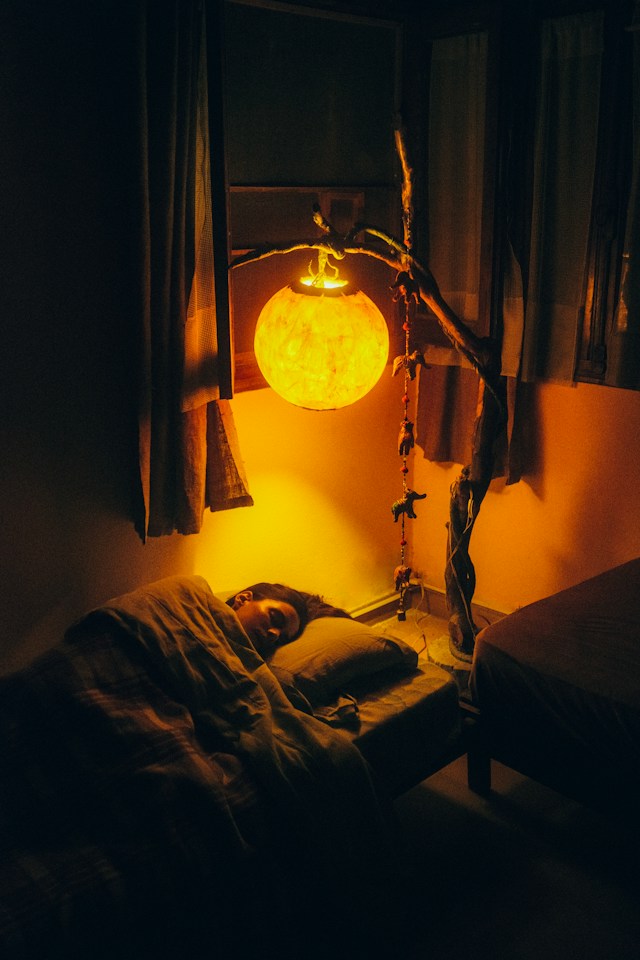
As traditional Chinese medicine enters the digital world, its ideas about sleep are increasingly presented through short videos, and often oversimplified and misleading posts. Online, practices such as herbal remedies, acupuncture, and dietary recommendations can easily become simplified into aesthetic routines, taking away from the cultural history that created these practices in the first place. While digital platforms can make these traditions more accessible to younger generations, they can also reduce something complex and deep into a shallow, visually pleasing concept. TCM is not simply a collection of cures to illnesses, but a centuries-old practice shaped by history, culture, and generations of knowledge. So, the question becomes: In the modern day, how much of these traditions have truly been preserved over time?
In this article, traditional Chinese medicine is explored regarding its perspective towards sleep. In addition, the intersection of centuries-old medicine and modern American culture is studied to understand how Chinese American families approach sleep, health, and wellness today.
In the modern day, sleep is often regarded as a practice to replenish energy and to rest the brain. Many individuals disregard it, believing that lost sleep can simply be made up another day. However, traditional Chinese medicine (TCM) approaches the idea vastly differently. Sleep is understood as part of the body's broader balance, having an influence on nearly all of the body's functions, from digestion to mental health. Nighttime is viewed as an important period or time for the body to restore itself, and along with this connects the body's internal rhythms, emotions, diet, and overall flow.
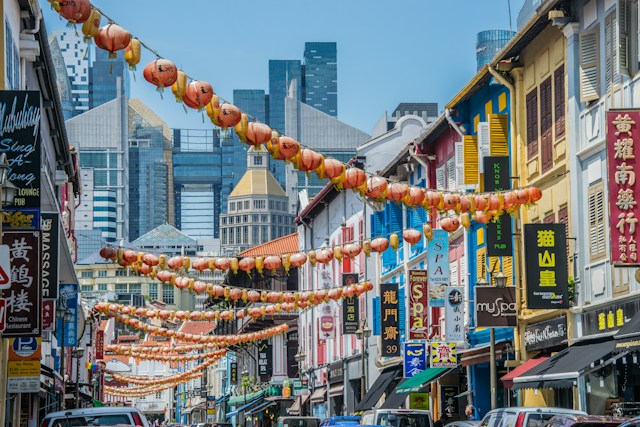
After discovering this perspective through interviewing experts in Chinese medicine in San Francisco Chinatown, I began to wonder how these ideas, which have been carried for generations, have merged into the Chinese American community and how big of a role it truly plays today in our daily lives?
01 ·
The Traditional Understanding
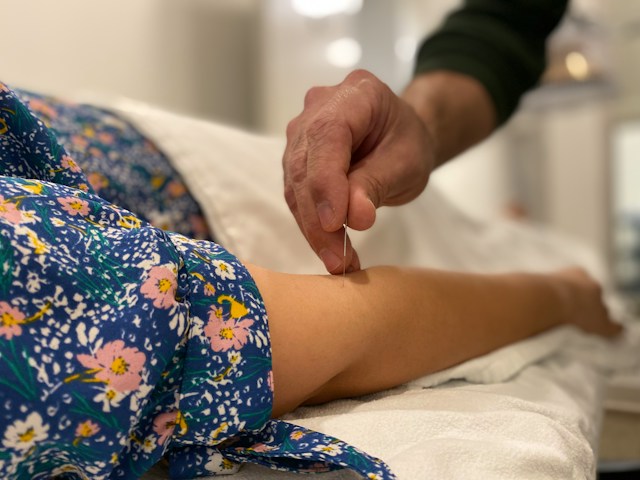
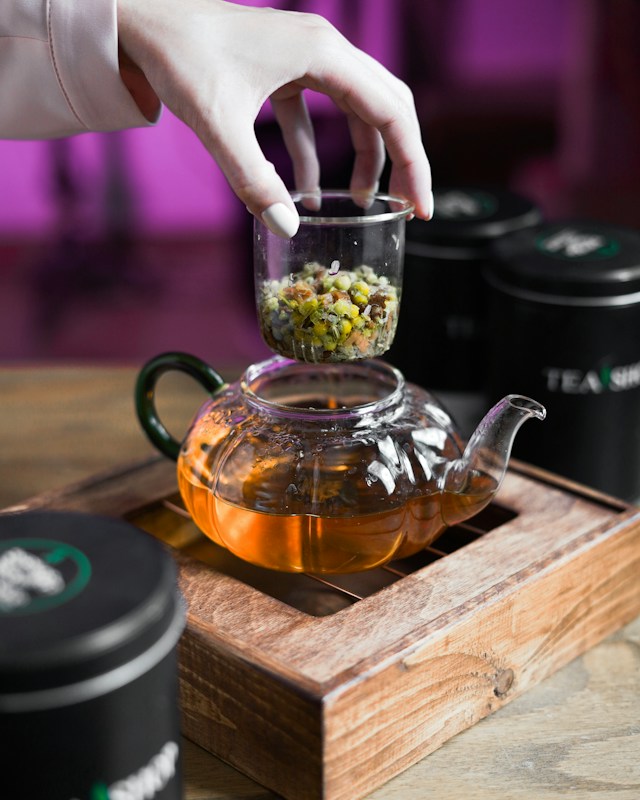
Within traditional Chinese medicine, sleep is directly connected to the balance and functions of the body. Practices such as acupuncture, herbal medicine, diet, and qigong may be used as remedies for poor sleep and wellness. However, simply putting an individual to sleep through modern methods such as melatonin and other medications is not believed to be truly effective for long-term wellness. After interviewing a Chinese doctor who had studied medicine in Beijing and had immigrated to the United States in recent years, it was revealed that what's truly effective for restoring balance in the body is tracking down the root cause of the issue. Whether it be because of poor digestion and gut issues or an imbalance in the body, after the contributor to the disrupted sleep is dealt with, rest would come naturally, and the body would restore the rest of the balance by itself. In a nutshell, sleep is a reflection of the whole body, not just the mind.
02 ·
The Modern Generation
In this day, students in the US and across the world face academic pressures, extracurricular commitments, screens, caffeine, and a variety of other factors that prevent good sleep. Even when they value sleep, it’s extremely difficult to get enough of it as a result of modern pressures. On the other hand, traditional ideas about sleep may appear everywhere for Chinese-American individuals of this generation, whether it be passed down by a grandparent or a parent concerned for the student’s health. From routines to maintain health to diets that restore balance in the body, hints of TCM appear everywhere in the daily lives of Chinese-Americans. And this leads us to a very interesting question: Can a culture that values balance and restoration so much truly coexist with the fast-paced modern environment that encourages productivity above all else?
03 ·
Closing Thoughts
So how do we truly understand sleep today? This investigation into the Chinese-American culture and its comparison to ancient techniques of Chinese medicine is not to discover a “right answer” or a foolproof solution to the strongly prevalent issue of sleep in our society. Instead, what I am interested in is seeing how people combine different perspectives regarding health and what comes out of this intersection. Through interviews with doctors and community members in Chinatown, I explored how traditional beliefs about health and sleep have changed and adapted across generations, making sleep more than just a biological process that exists optionally. It became a means to look into the intersection between different cultures, and an opportunity to preserve the memories, beliefs, and cultural knowledge that have been passed down for generations.