

01 ·
History
The history of fried rice began in the Sui Dynasty, around 1400-1500 years ago, when the chief chef of Emperor Yang recorded the dish in a book called Shi Jing. Its origins are believed to be a way to accommodate leftover food, such as vegetables and meat; many families did not want to give edible leftovers to their animals right away and instead decided to mix them with rice, garlic, soy sauce, and lard before stir-frying them. The history of fried rice began in the Sui Dynasty, around 1400-1500 years ago, when the chief chef of Emperor Yang recorded the dish in a book called Shi Jing. Its origins are believed to be a way to accommodate leftover food, such as vegetables and meat; many families did not want to give edible leftovers to their animals right away and instead decided to mix them with rice, garlic, soy sauce, and lard before stir-frying them.
Fried rice continued to evolve over centuries, such as new spices and cooking methods being introduced as a result of territorial expansion and technological innovation. The stir-fry technique for fried rice became commonplace around the time of the Ming dynasty. Fried rice did not stay confined to China for long, as it quickly spread to other countries and continents. Variants of fried rice in Japan, Indonesia, India, Peru, and the United States all trace their roots back to Chinese fried rice.
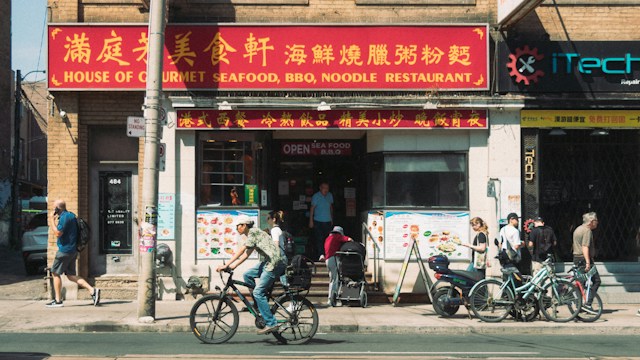
In America specifically, fried rice brought by immigrants worked its way into American cuisine. During waves of Chinese immigration during the Gold Rush, many Chinese immigrants brought their cuisines with them. The rise of fried rice in American cuisine also coincided with the rise of chop suey, and despite the intense discrimination faced by Chinese Americans, Chinese fried rice was considered a delicacy by many Americans, including those who were actively discriminating against Chinese immigrants.
Even under the Chinese Exclusion Act of 1882, Chinese restaurants held firm, often becoming community spaces and providing employment opportunities for Chinese Americans, and Chinese cuisine began to slowly grow its presence in America.
During the Great Depression, some Chinese people would eat fried rice frequently because it was cheap and a good way to preserve leftover food
Over time, variants of fried rice, such as house special fried rice, began to appear in American cuisine. Oftentimes, they were altered to satisfy American appetites, and its versatility made it popular, as it could be made with almost any meat. Chinese fried rice began appearing in Asian fusion restaurants in the US and contributing to the widespread popularity of Chinese food in America. Author Yong Chen argues that Chinese cuisine in general became the most popular ethnic cuisine in America by 1980, and fried rice played a big part in that. Its affordability, capacity for experimentation, and wide range of options contributed to this image. This popularity has also helped with the rise of Asian fusion chains such as Panda Express
Overall, what started as a way to accommodate leftovers has become a staple of both Chinese and American cuisine, facilitated immigrants sharing their culture with their host countries, served as a symbol of hardship and struggles, and provided many options for people of all appetites to enjoy.
02 ·
How to Make it
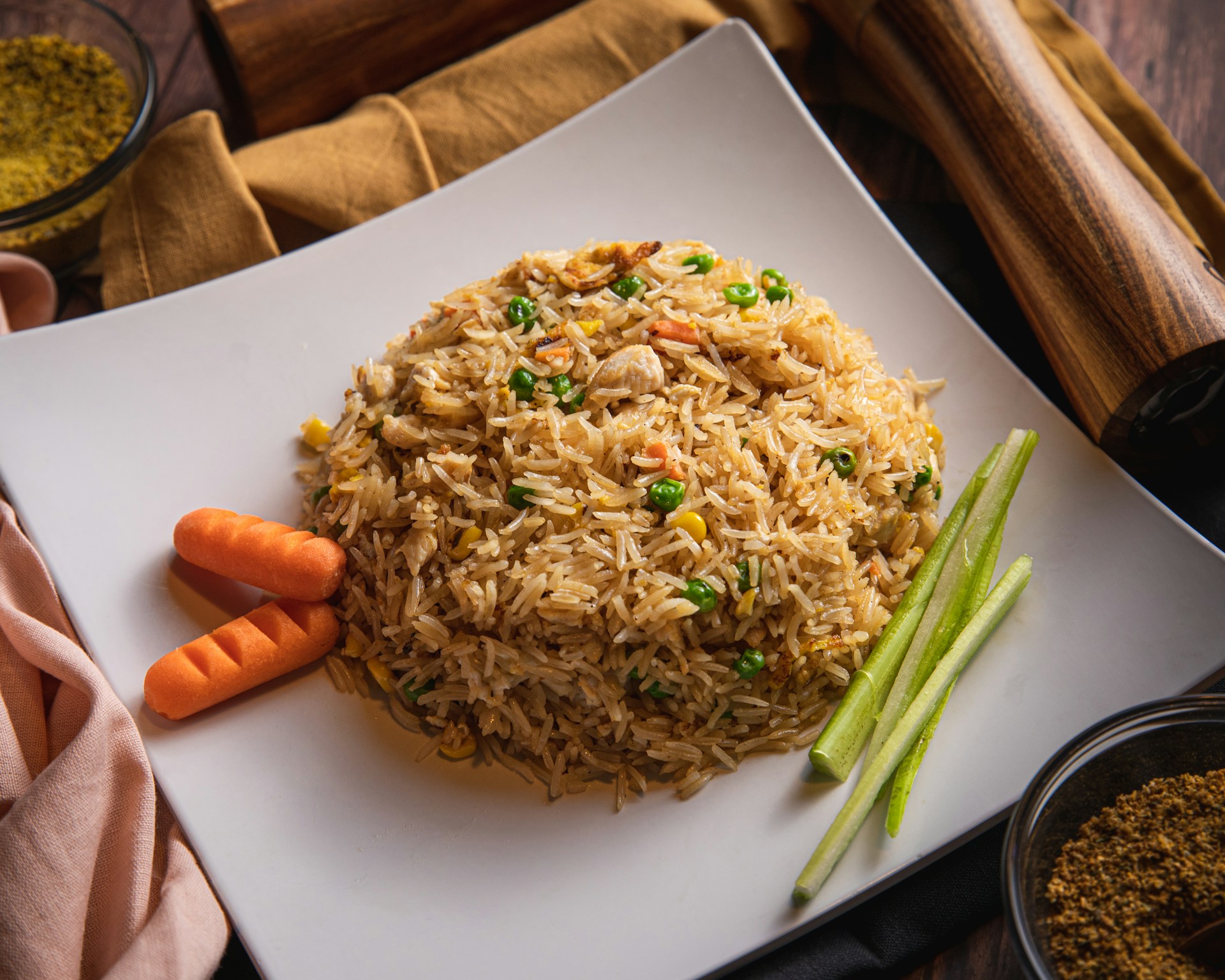
Ingredients: Cooked rice, meat and vegetables of your choice, eggs, soy sauce, garlic, cooking oil
Steps: Coat the rice in cooking oil to prevent it from sticking to the wok pot, mix in the meat, vegetables, and condiments, and stir. Use a strong fire and a wok, and stir the rice evenly to distribute the seasoning and heat well.
03 ·
Variants
Yangzhou Fried Rice: Key traits include mixing eggs with the cooking oil and including scallions, which are mixed in 3 separate times. Since the Sui emperors were based in Yangzhou, it was likely the original source of fried rice. The most authentic Yangzhou fried rice has 18 ingredients.
Fujian Fried Rice: The rice is initially fried with eggs before any other ingredients are simmered in. Shredded scallop is the most important ingredient, and Fujian fried rice has two main variants: Taiwanese Fujian fried rice, which was created by Hakka immigrants, and Cantonese Fujian fried rice, which is usually found in Cantonese restaurants.
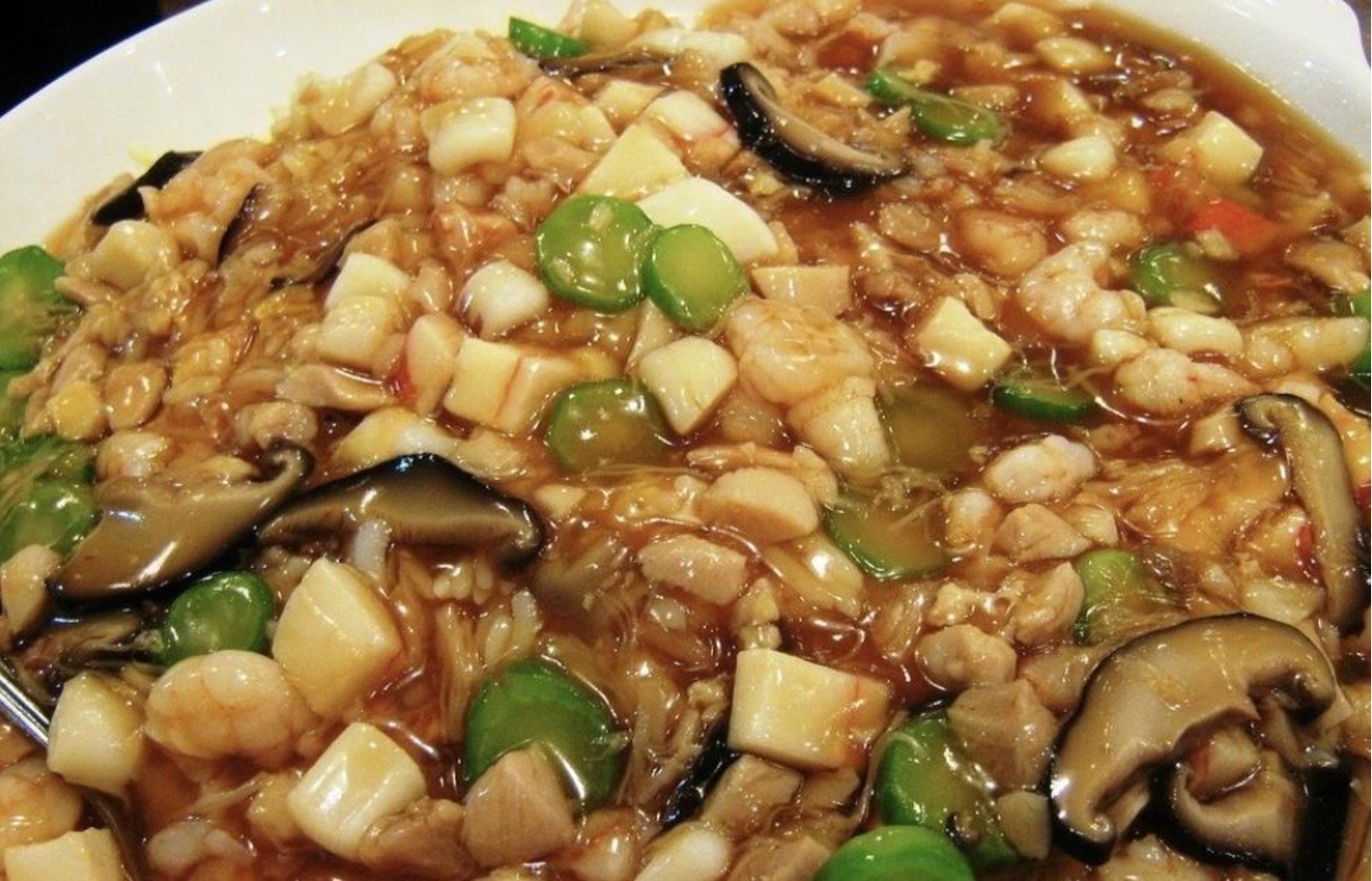
Western Style Fried Rice: Despite its name, it was created by Chinese people with inspiration from Western cooking techniques. This variant utilizes tomato sauce and light cream.
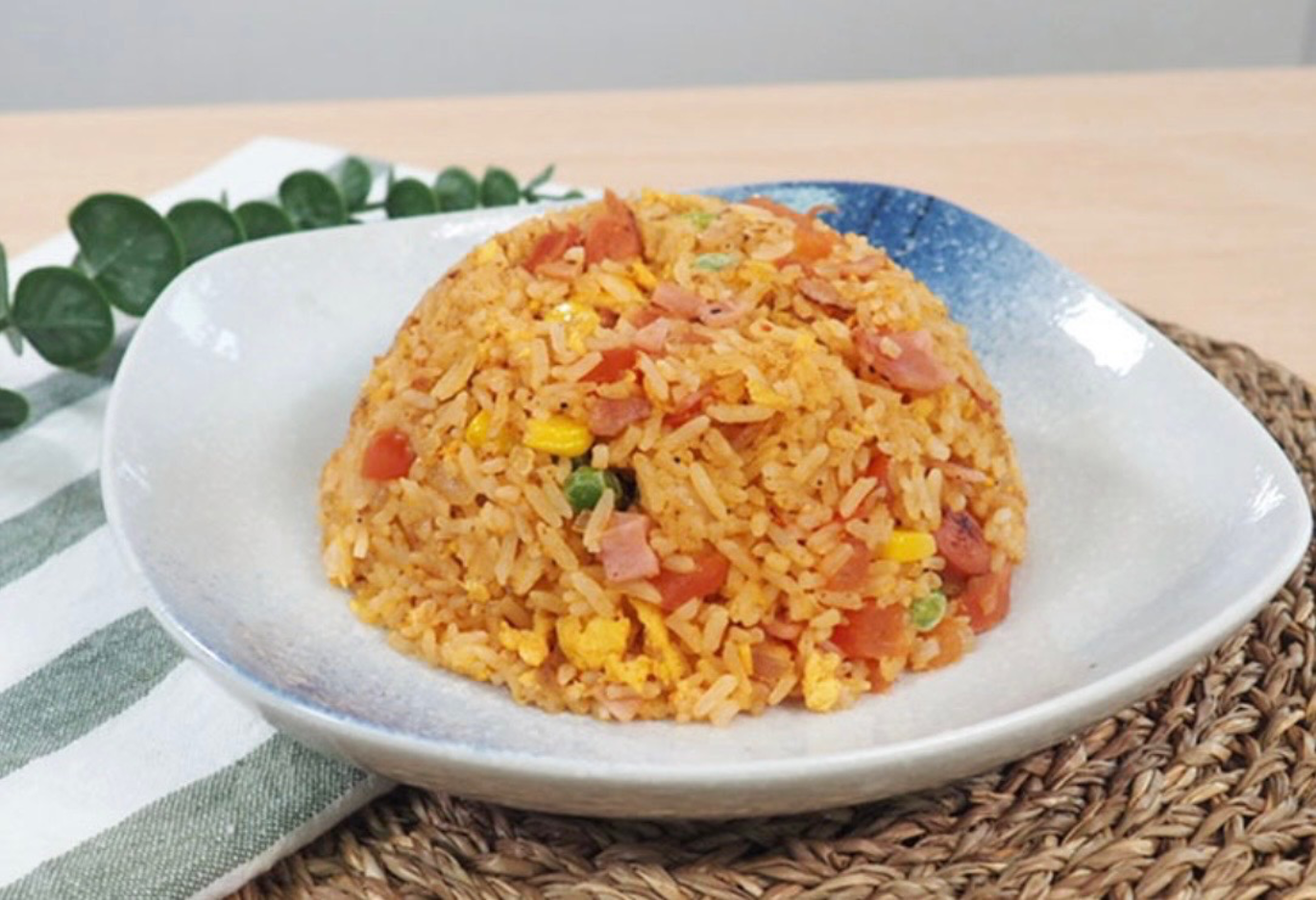
Guangzhou Fried Rice: This variant uses unorthodox ingredients such as Chinese sausages, pineapple, and fish. It is characterized by its wok hei (the distinctive smell of dishes that have been prepared with a wok pot).
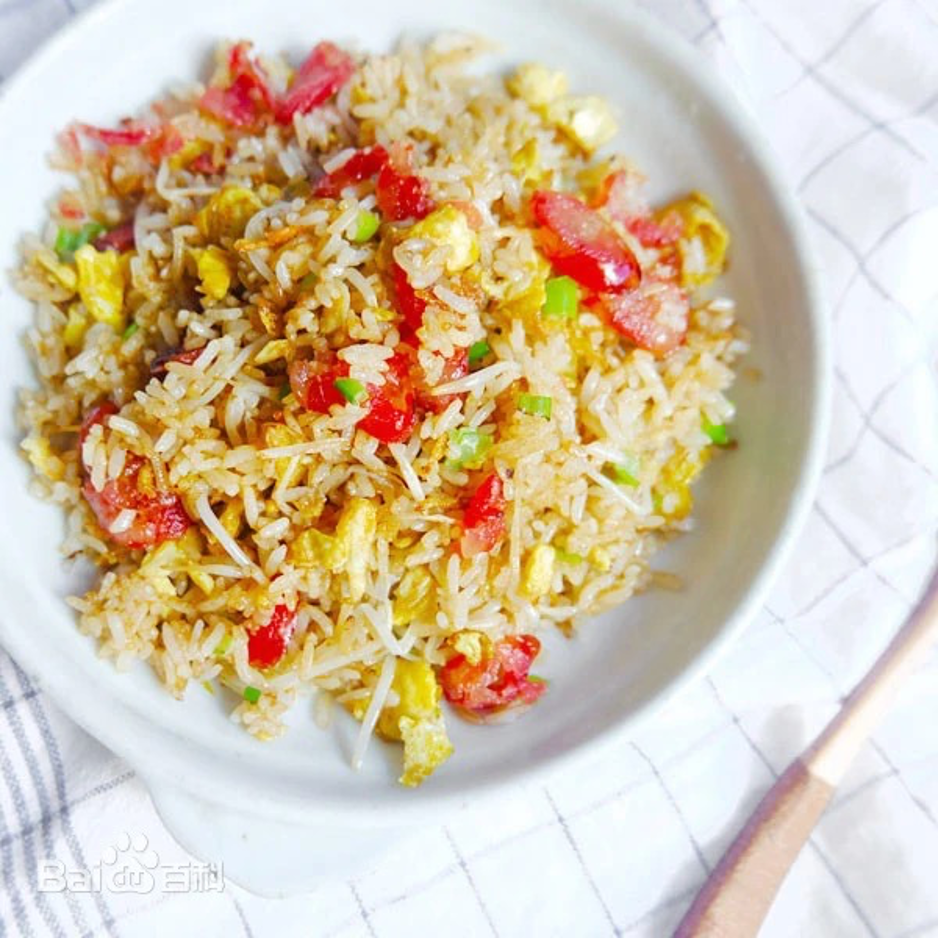
Shunde Fried Rice: Taking inspiration from local Shunde cuisine, this dish features rice cooked in snake blood as well as snake meat (snakes are very popular in local cuisine). Snakes are frequently slaughtered during winter since they usually fatten themselves up during that time, resulting in more meat to consume.
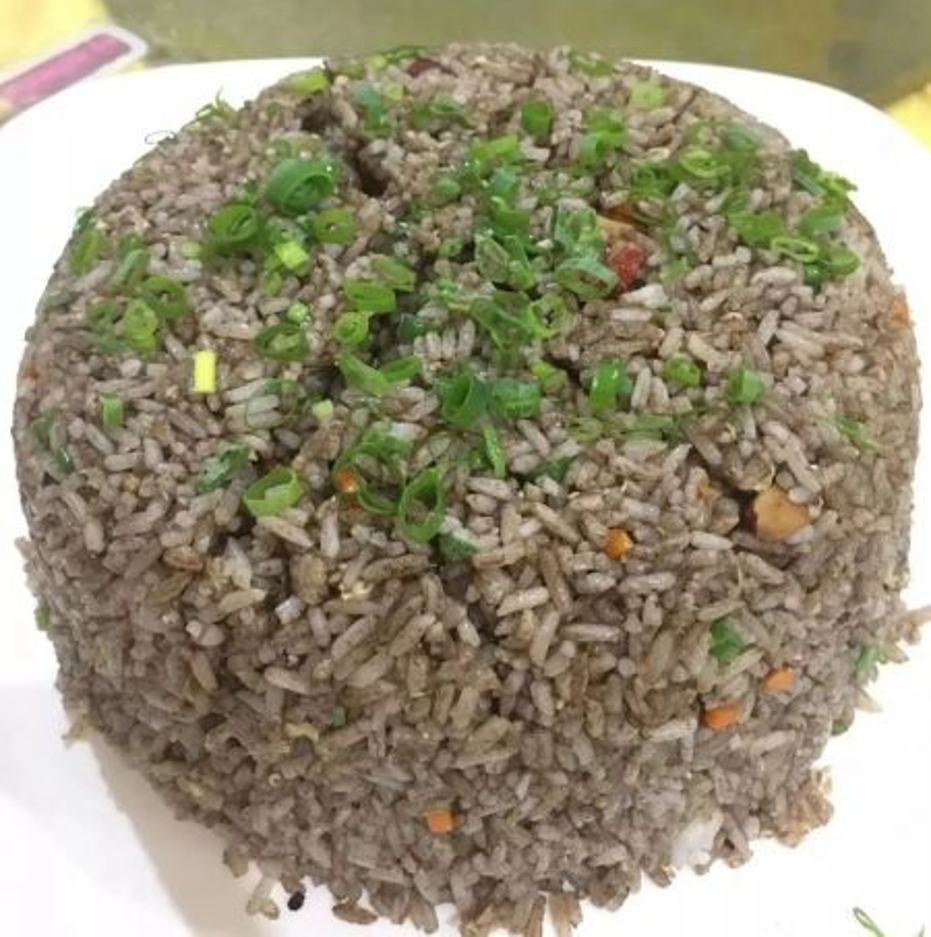
Chaoshan Fried Rice: This variant is braised and incorporates ingredients such as olive (including olive oil), pickled radish, seaweed, and taro.
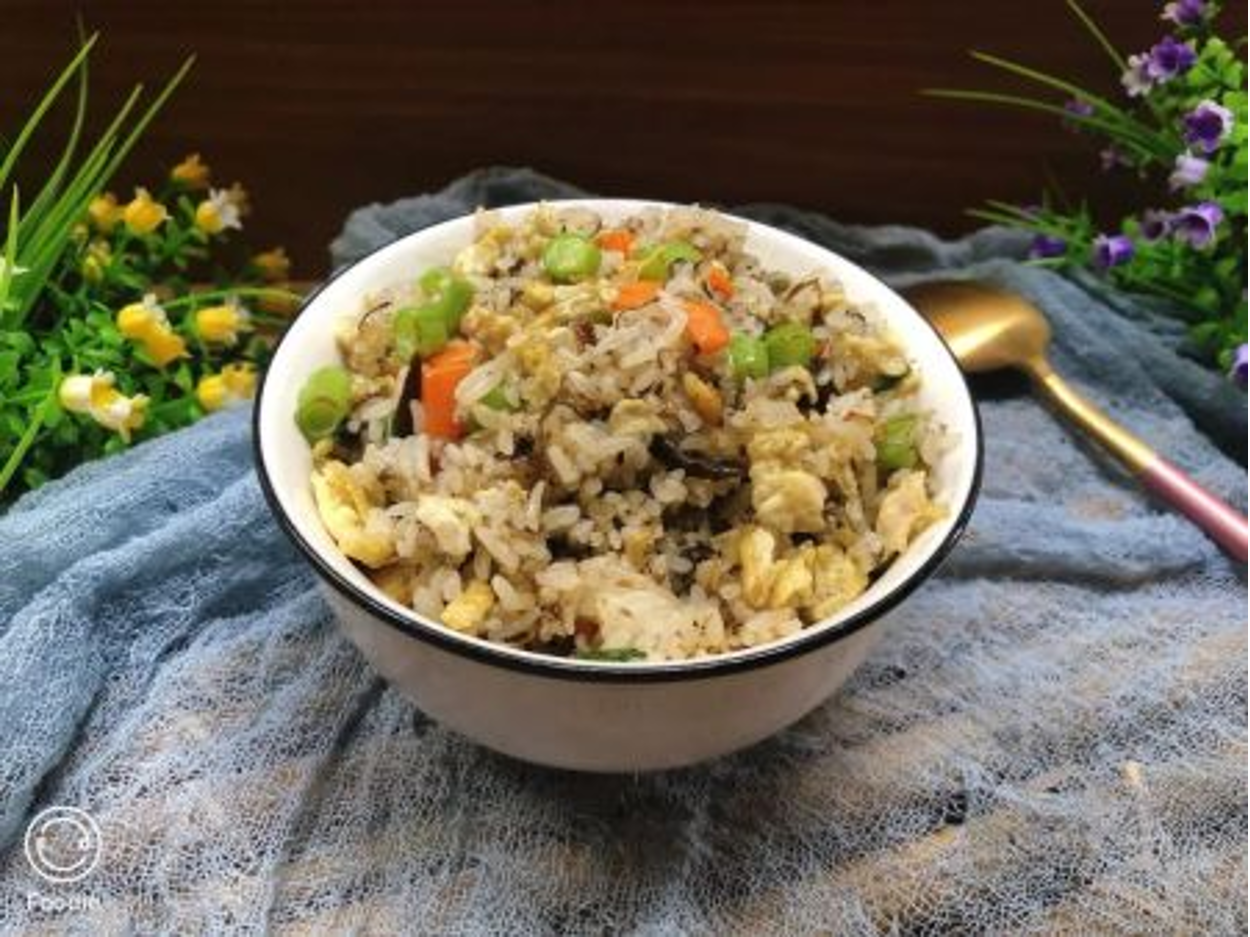
Guiyang Fried Rice: This variant is distinctive for its color and use of chili peppers, and is usually served with vegetable side dishes.
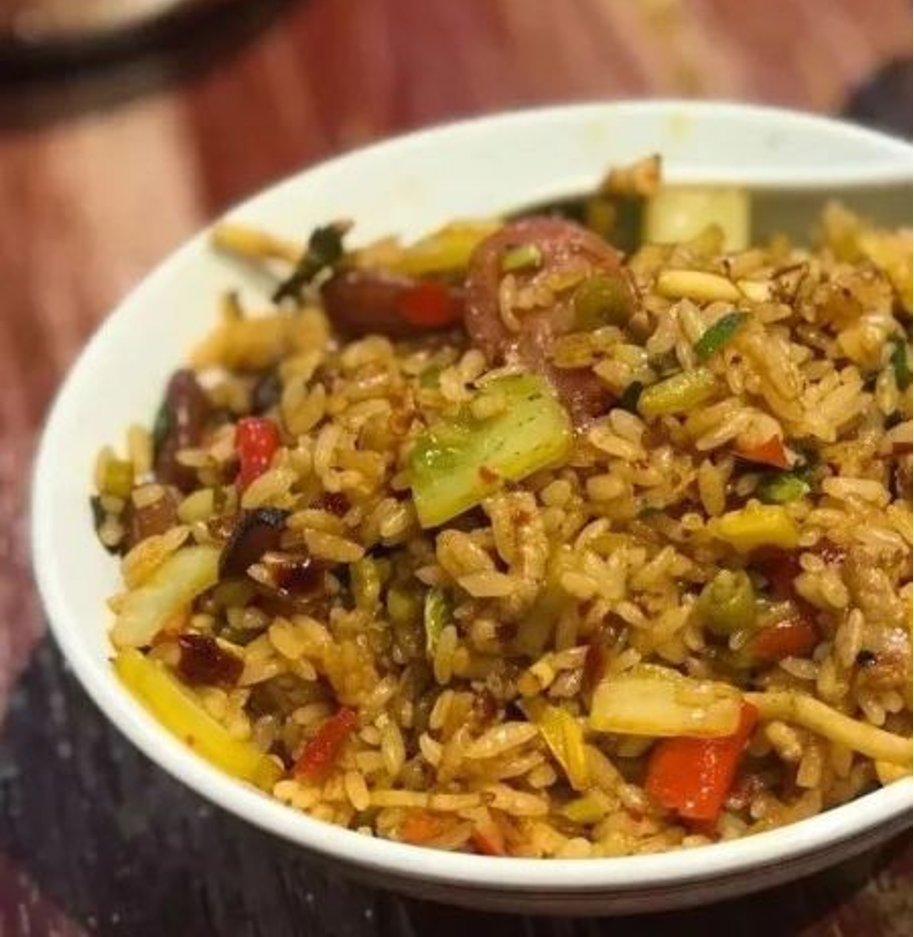
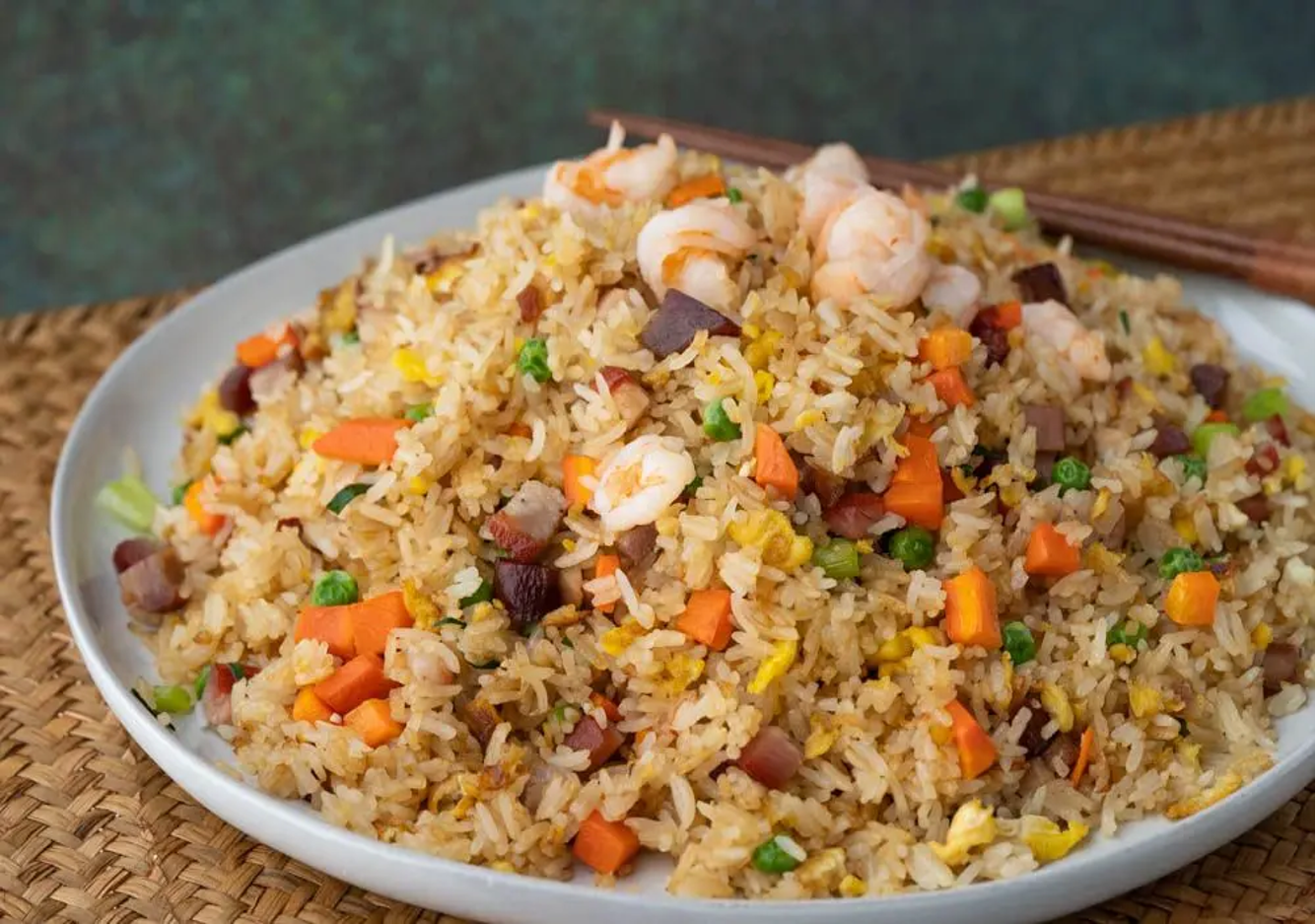
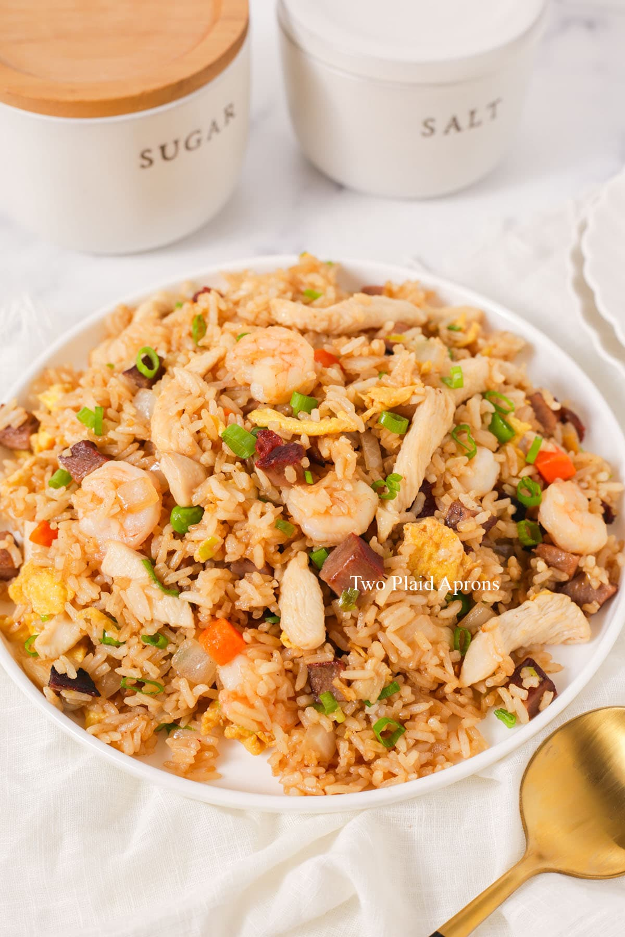
House Special Fried Rice: This variant is heavily Americanized and is notable for its use of oil (which is not heavily used in Chinese cooking). It also features shrimp, chicken, and Chinese BBQ pork (also known as Char Siu).
04 ·
My own cooking
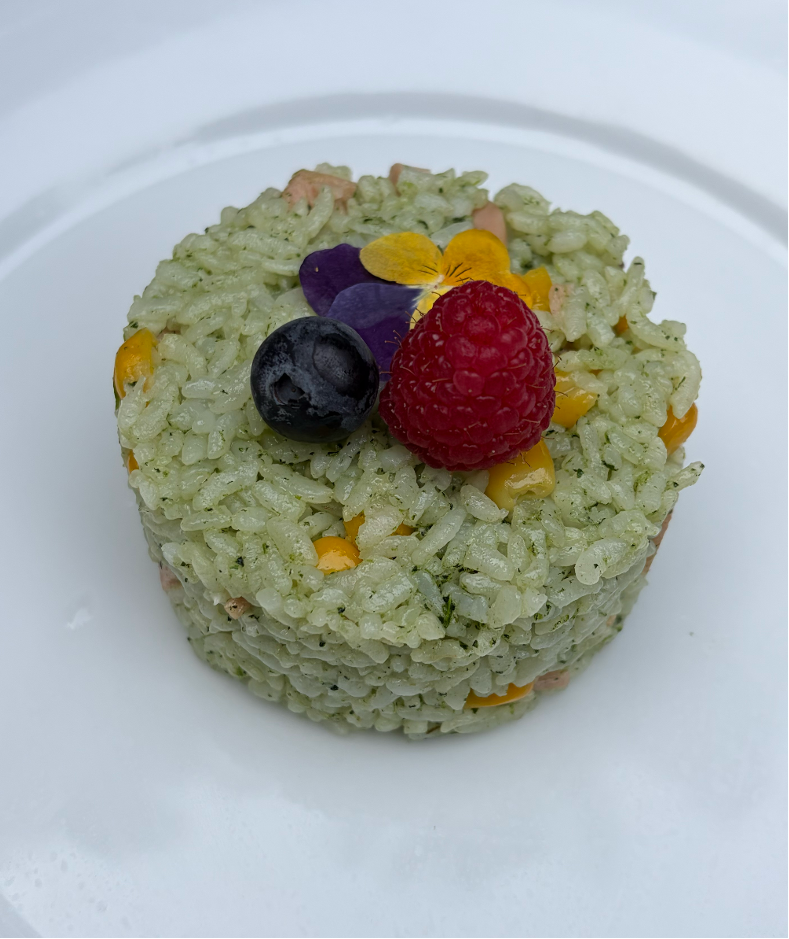
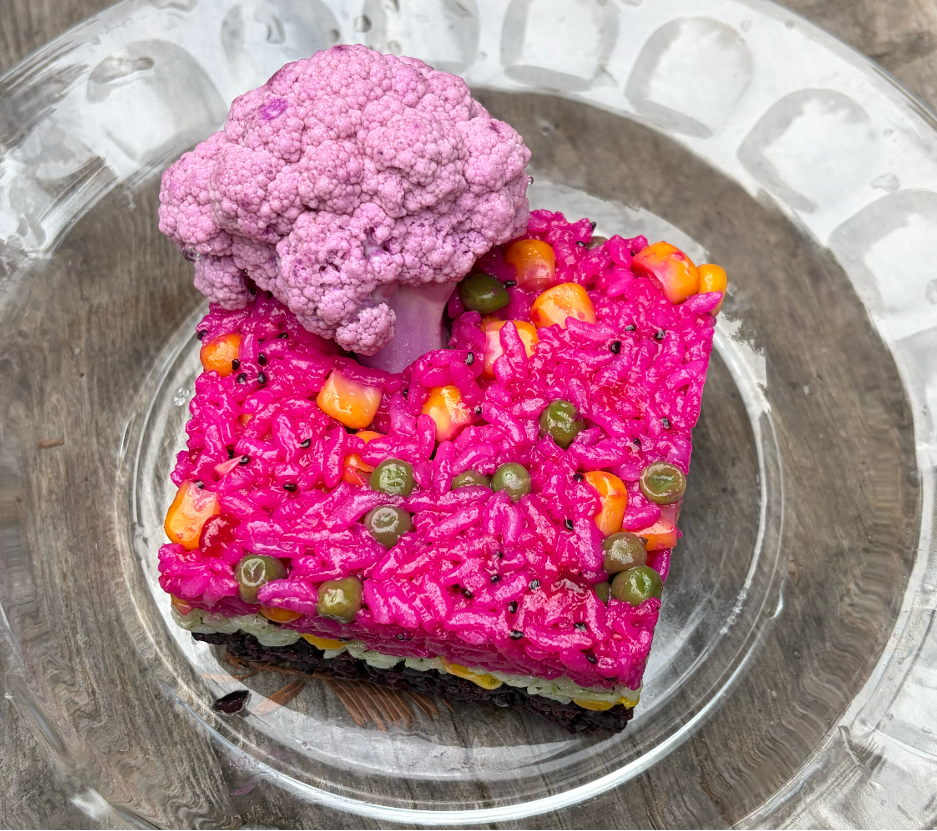
Here are three pictures of my own fried rice that I cooked for a Boy Scout campout. I created a series of nature-themed fried rice servings. The green rice (representing grass) was made by mixing white rice with spinach juice, the pink rice (representing flowers) was made by mixing white rice with crushed dragonfruit, and the dark layer (representing soil) was regular brown rice.

Research Notes
Sources
- http://conniewenchang.bol.ucla.edu/menus/index.html
- https://twoplaidaprons.com/house-special-fried-rice/
- https://www.kcrw.com/shows/good-food/stories/kenny-ng-food-history?srsltid=AfmBOopKLgKagcWqKl27IRJmKcSkr4wnPht6MrWco7OAac-aTRgNvoOp
- https://zhidao.baidu.com/daily/view?id=227359
- https://cup.columbia.edu/book/chop-suey-usa/9780231168939/
- https://en.wikipedia.org/wiki/Chinese_fried_rice
- https://www.restaurantdive.com/news/qa-panda-express-carries-the-chinese-american-torch-35-years-later/542847/